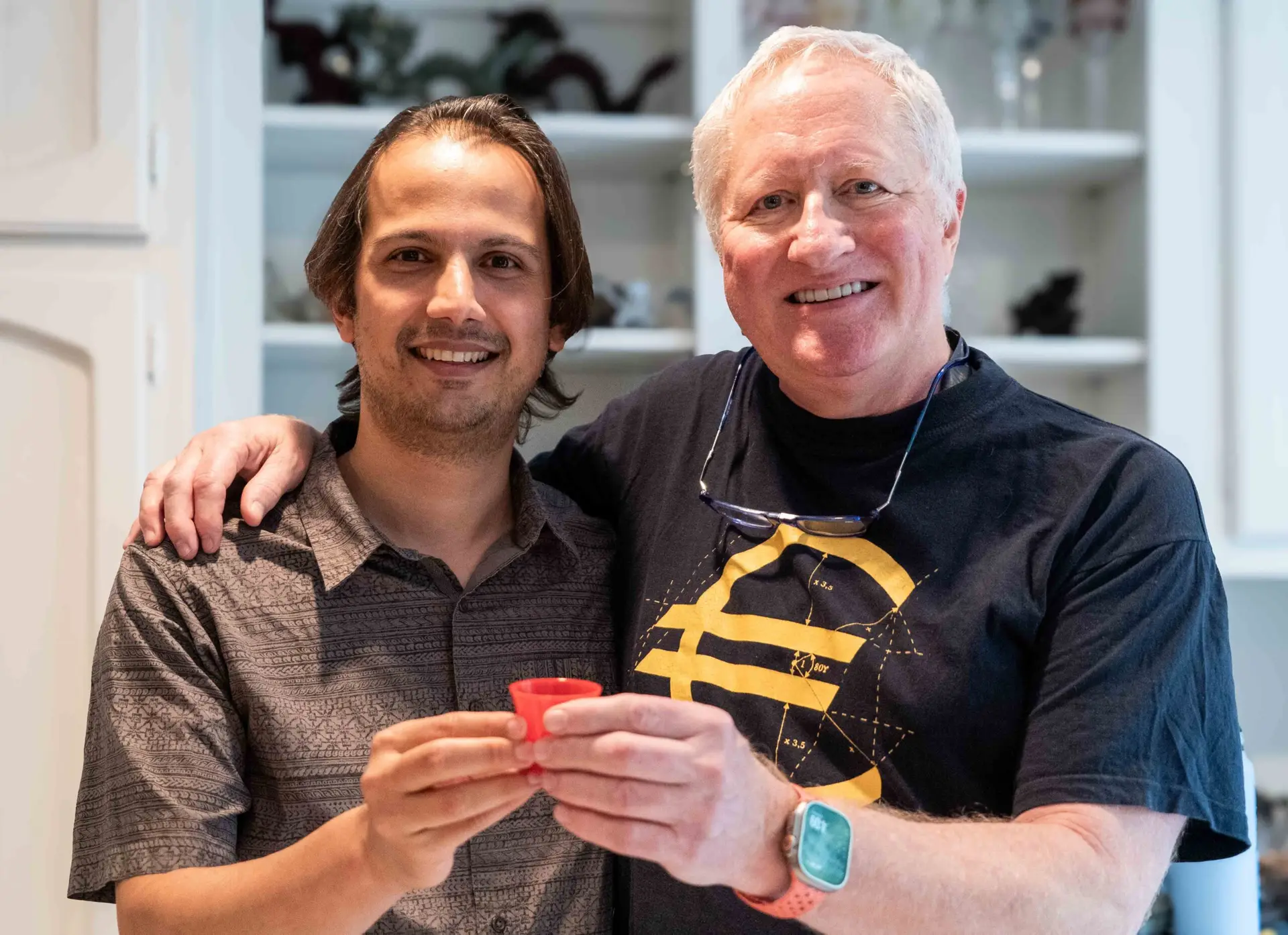
2026 NATwA Pairs Winners
Prabhas Pokharel and Rick Tucker
Upcoming Tournaments
18 October 2026 • Yorkville Open • New York City
14 November 2026 • Columbia Open • Columbia, Maryland
12 December 2006 • Teams of Four • Florham Park, New Jersey
Recent Results
19 September 2026 • NATwA Pairs • Columbia, Maryland • won by Prabhas Pokharel & Rick Tucker
11 April 2026 • NATwA Singles • Columbia, Maryland • won by Prabhas Pokharel
16 March 2026 • Springy Individual Pairs • Annapolis, Maryland • won by Rick Tucker
31 January 2026 • Annapolis January Individual Pairs • Annapolis, Maryland • won by Alex Petrocelli
All NATwA tournament results since 1967 are available on Winkipedia.org.uk
Videos & Podcasts
Renowned YouTuber Tom Scott visited the
Cambridge University Tiddlywinks Club
to learn all about tiddlywinks,
releasing this 25 minute video in September 2026.
Billy & Sue of Vectis Radio on the Isle of Wight in England
interviewed Rick Tucker (NATwA),
Harley Jones and Andrew Garrard (ETwA),
and Prabhas Pokharel (NATwA)
on consecutive Sundays during September 2026.
How to Play
Ready to play tiddlywinks? Watch this great video from Sophie Brawn of the Cambridge University Tiddlywinks Club.The Pot & Potting Winks
The pot is the red cup in the center of a winks mat.
A wink that lands inside the pot is deemed to be potted.
Potting is the offensive shot in tiddlywinks, akin to shooting a basket in basketball, except the wink is destined to remain in the pot until the end of a game.
A wink is worth 3 tiddlies when potted vs. 1 tiddly (at the end of a game) when the wink is in play outside the pot.
(Video source: CUTwC)
The Squop & Squopping
A wink is squopped when another wink lands on top of it, even if slightly.
A squopped wink is immobilized until is is freed by another shot.
The squop is the key defensive shot in tiddlywinks
(Video source: CUTwC)
The Rules
The official rules of tiddlywinks are maintained by the English Tiddlywinks Association and endorsed by NATwA and the International Federation of Tiddlywinks Associations.
Strange and interesting variations for playing winks are called perversions, best espoused by winker Sunshine.
The Guinness Book of World Records has included a variety of tiddlywinks records since the 1960s.
![[+template:(Tucker Tw ID • [+xmp:title+] — publisher • [+iptc:source+] — title • [+xmp:headline])+]](https://tiddlywinks.org/wp-content/uploads/2022/11/2017-05-27-NATwA-Pairs-at-Center-Ithaca-id-DSC04984-1024x844.jpg)
![[+template:(Tucker Tw ID • [+xmp:title+] — publisher • [+iptc:source+] — title • [+xmp:headline])+]](https://tiddlywinks.org/wp-content/uploads/2022/07/1988-07-01-Newswink-22-page-01-cropped-1024x687.jpg)
Lexicon of Tiddlywinks
Winks has a vocabulary and subculture all its own. For instance, you might overhear at a tournament: “I can’t pot my nurdled wink, so I’ll piddle you free and you can boondock a red. But if Sunshine gromp‘s the double, I’ll lunch a blue next time.”
In English this translates to “My wink is too close to the cup to pot it, so instead, I’ll gently shoot you out from under the pile and you can shoot an opponent’s red wink off the table. But if Sunshine (a winker) captures two of our winks with only one of his, I’ll pot an opponent’s blue wink (sometimes a useful strategy) on my next turn.”
(Text source: Larry Kahn)
Tournaments
The North American winking season consists of two championships (NATwA Pairs and NATwA Singles) and several informal tournaments throughout the year. NATwA’s team championships, called the Continentals, were held from 1967 through 1985.
The winner of the NATwA Singles has the right to challenge the current World Singles champion to a match. The winner of ETwA’s English National Singles is also eligible to challenge the reigning champion.
Similarly, the winner of the NATwA Pairs has the right to challenge the current World Pairs champions.
The occasional World Teams championships complete the winking world’s triple crown.

History
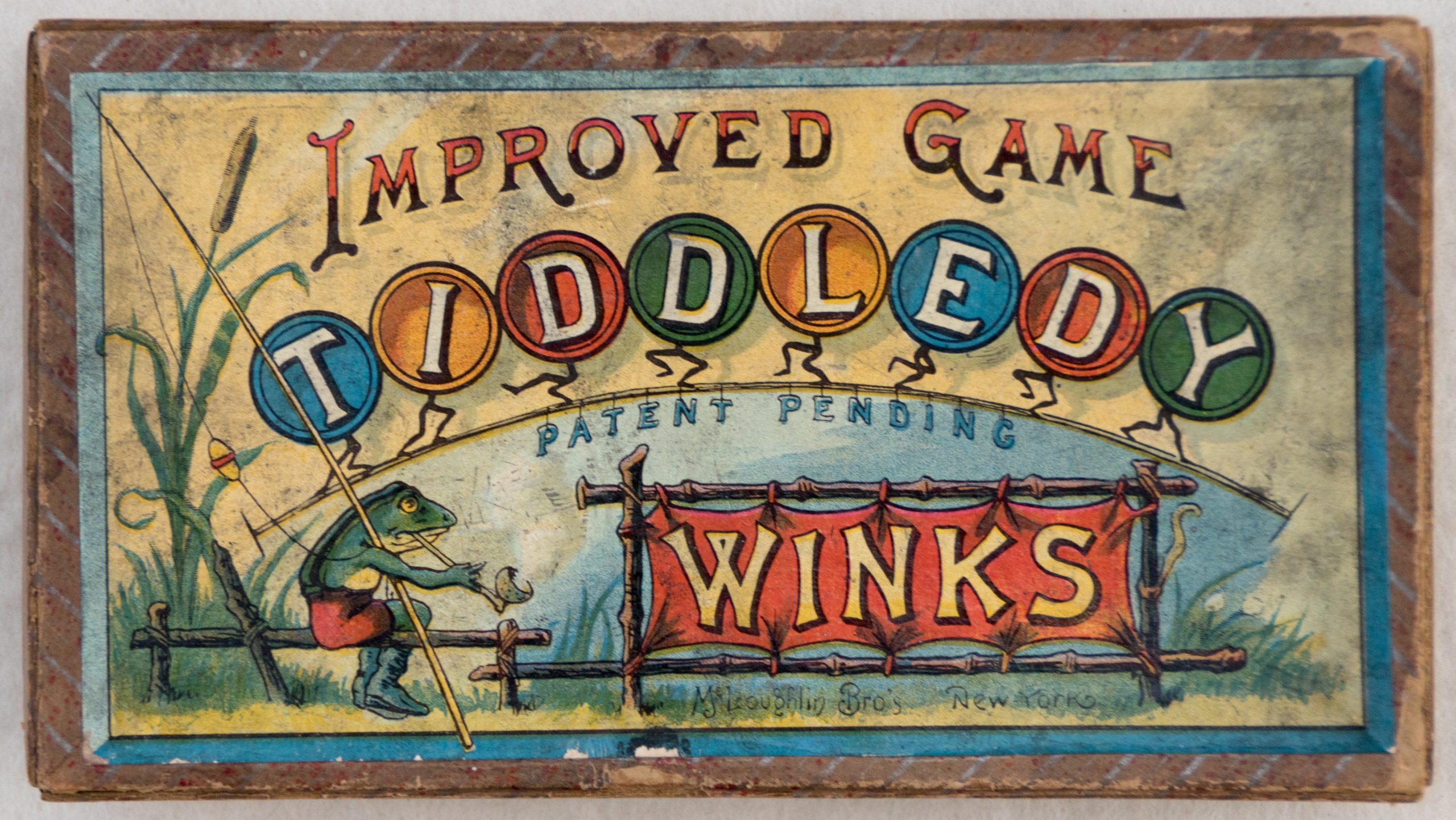
Tiddlywinks was the biggest fad in England and the U.S. during the 1890s, when it was called Tiddledy-Winks.
Fast forward to 1958, when the Cambridge University Tiddlywinks Club beat the team nominated by Prince Philip to defend his honor, the famous radio comedy troupe known as the Goons.
For the Game Collector
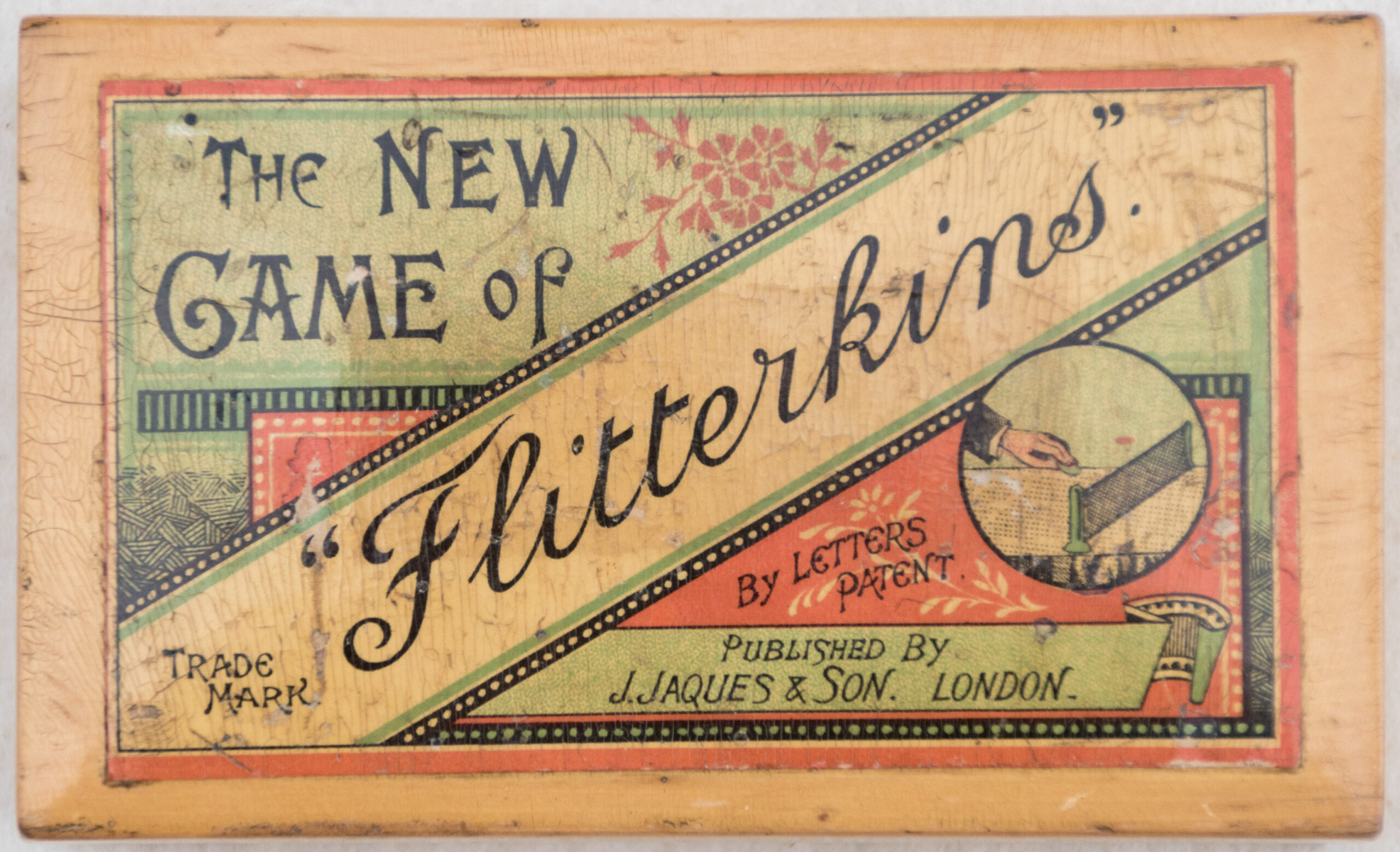
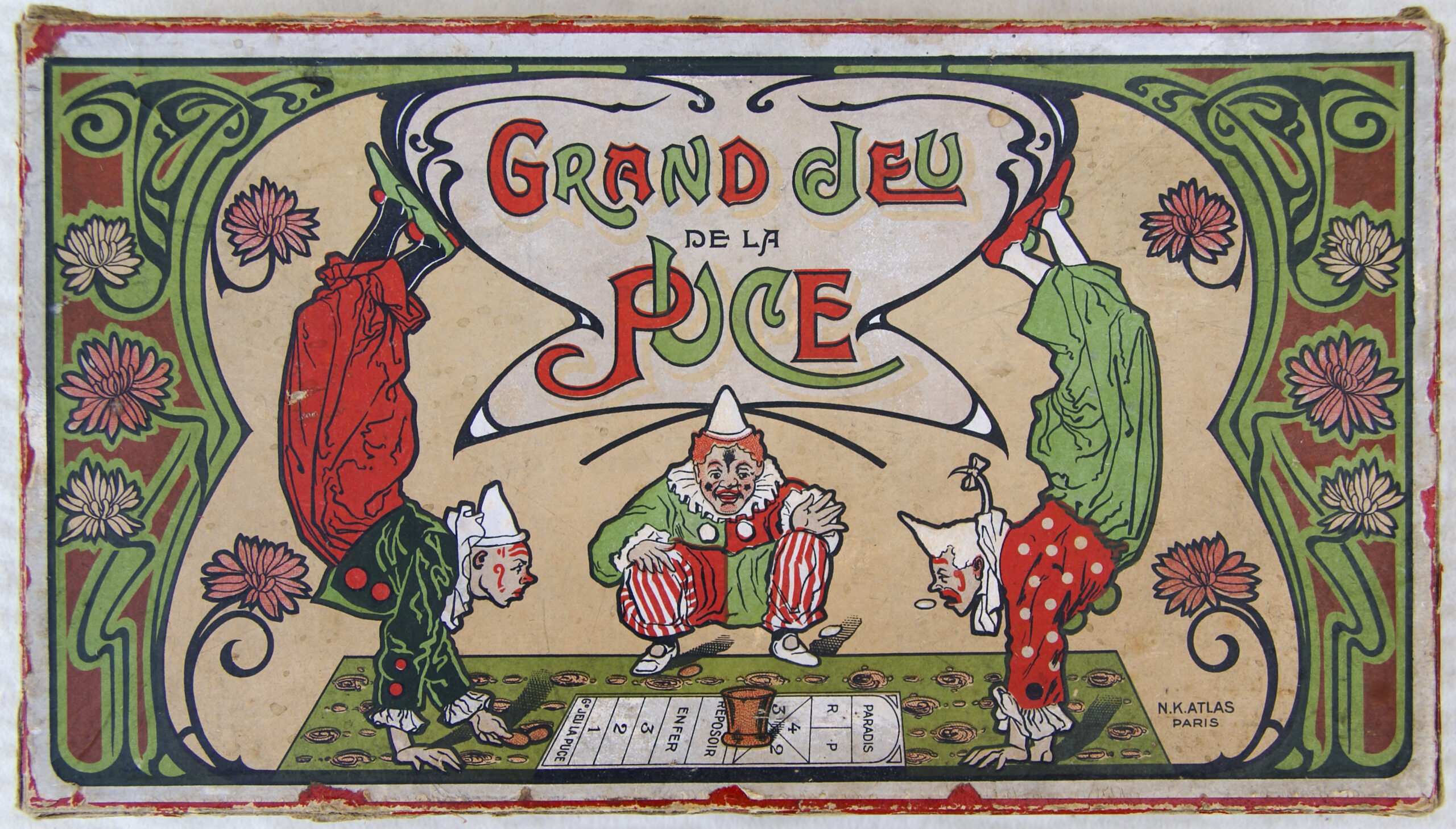
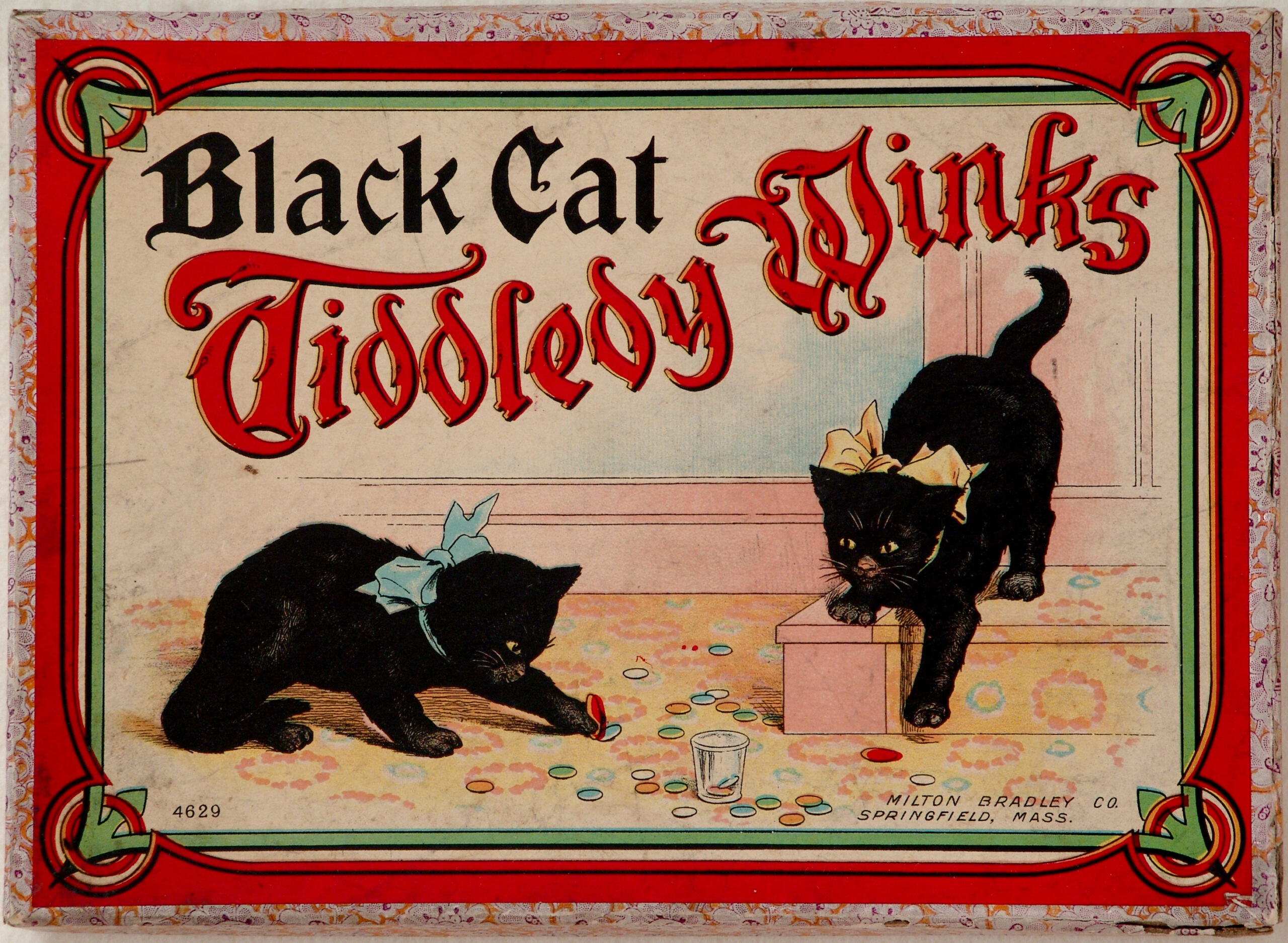
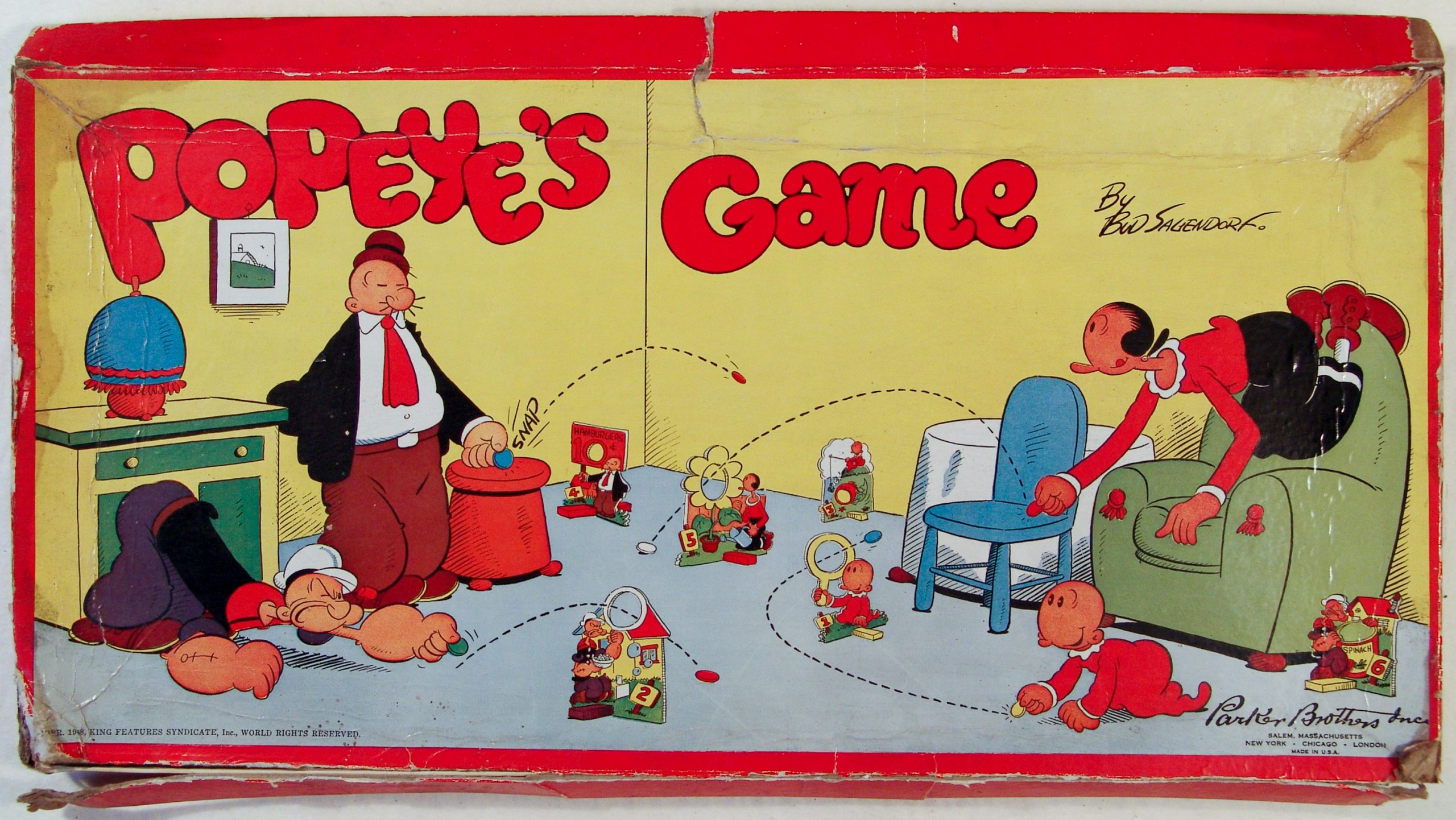
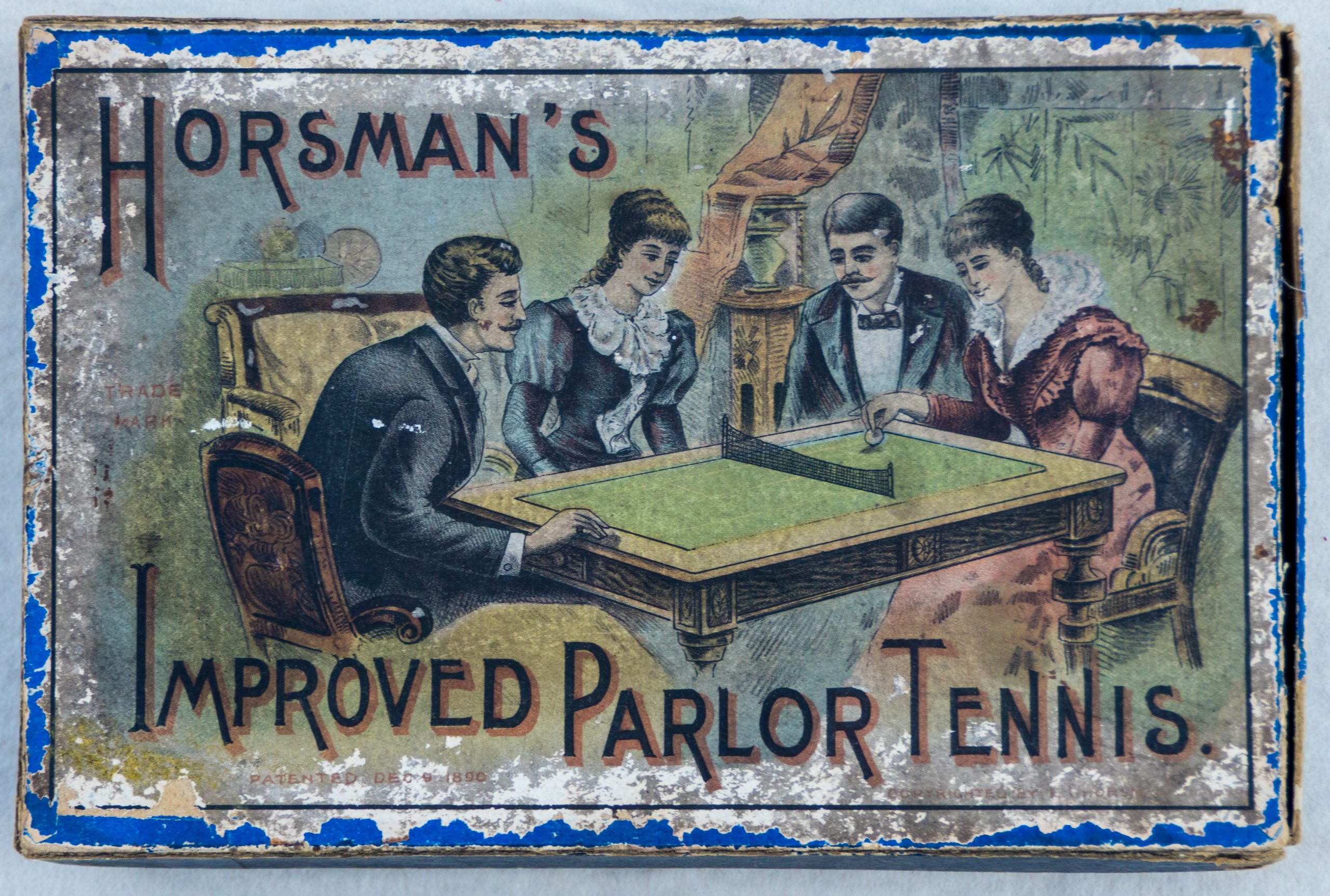
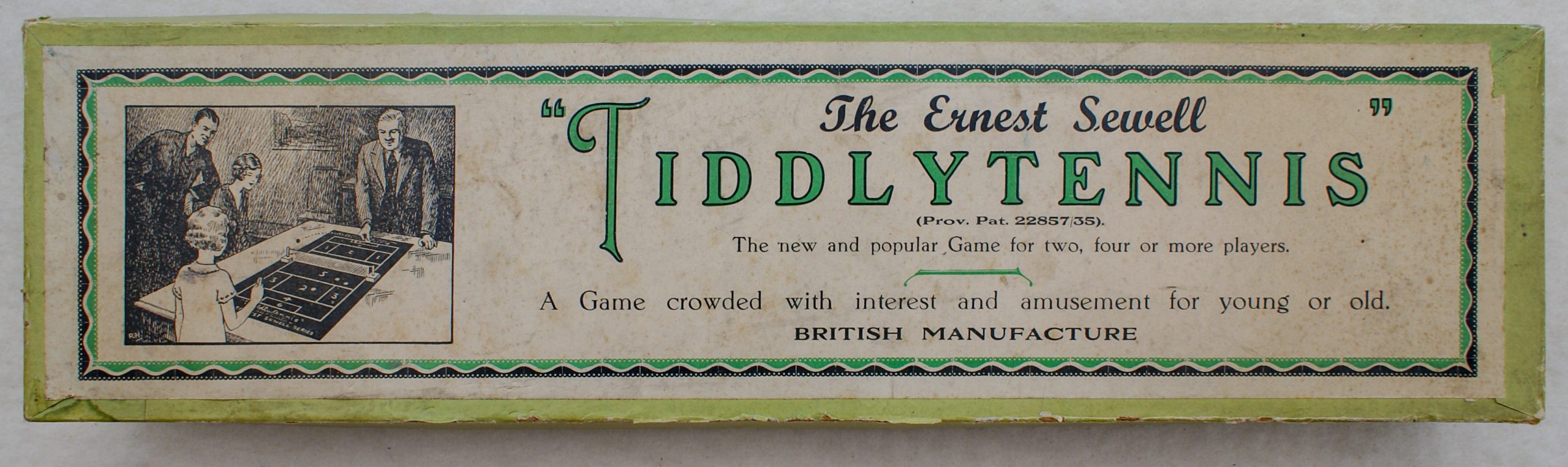
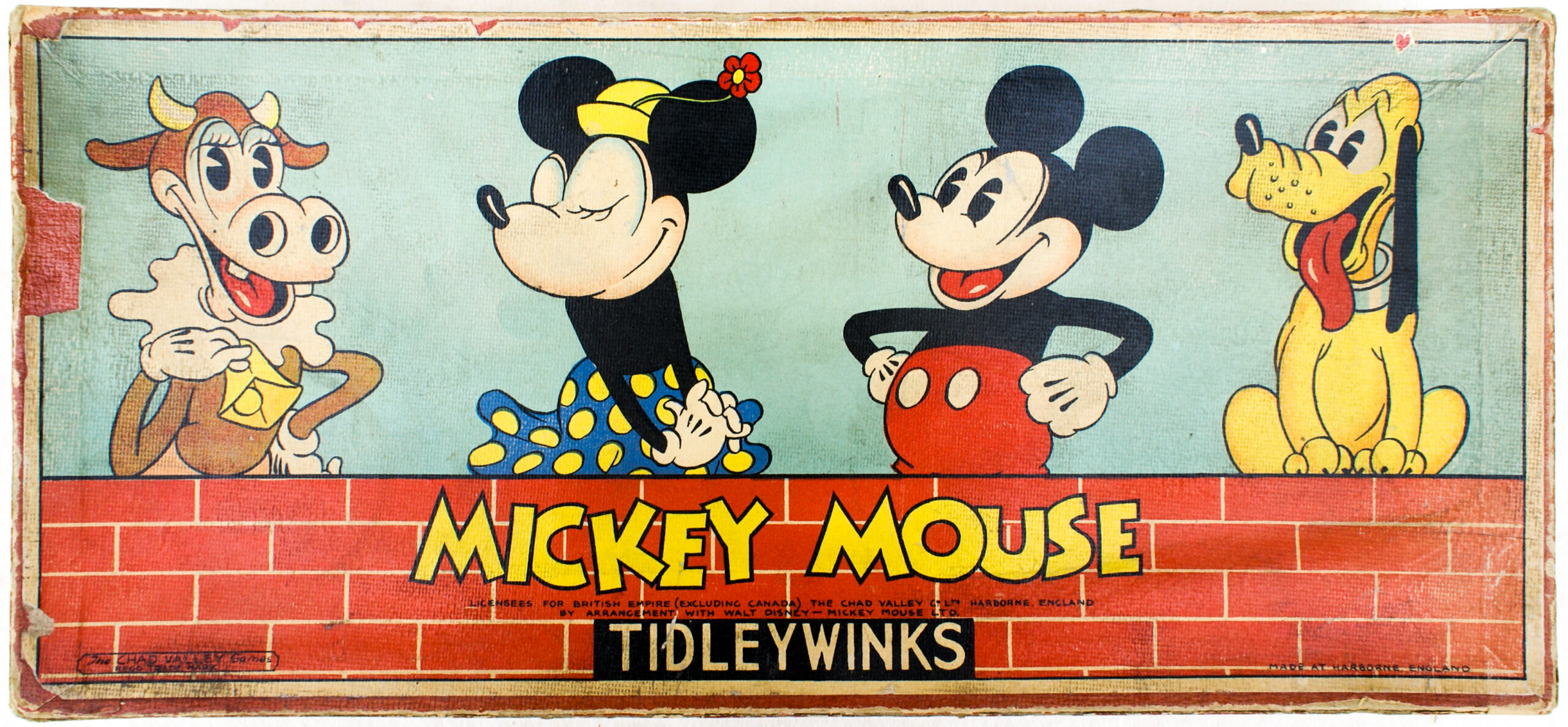
Thousands of quirky and interesting tiddlywinks games have been produced all around the world, under a variety of names and in a wide variety of languages, since its 1888 debut in England when it was known as TIDDLEDY-WINKS (a trademark), invented and patented by Joseph Assheton Fincher and published by J. Jaques & Son.